

frequently asked questions
Explore answers to the most frequently asked questions about the Culture Global Stocktake for Climate Action.
Is your question missing? Drop us an email via info@cultureglobalstocktake.com

-
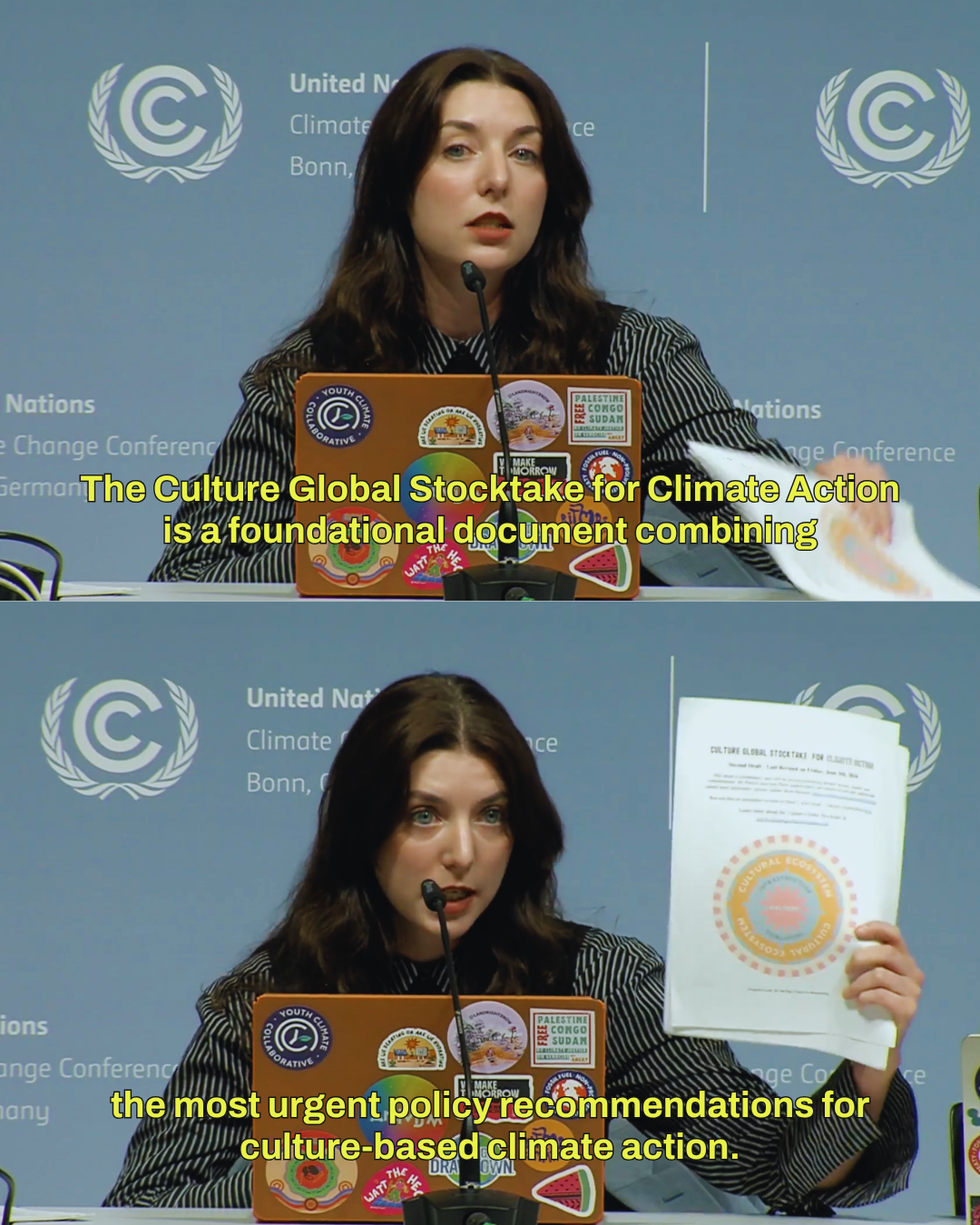
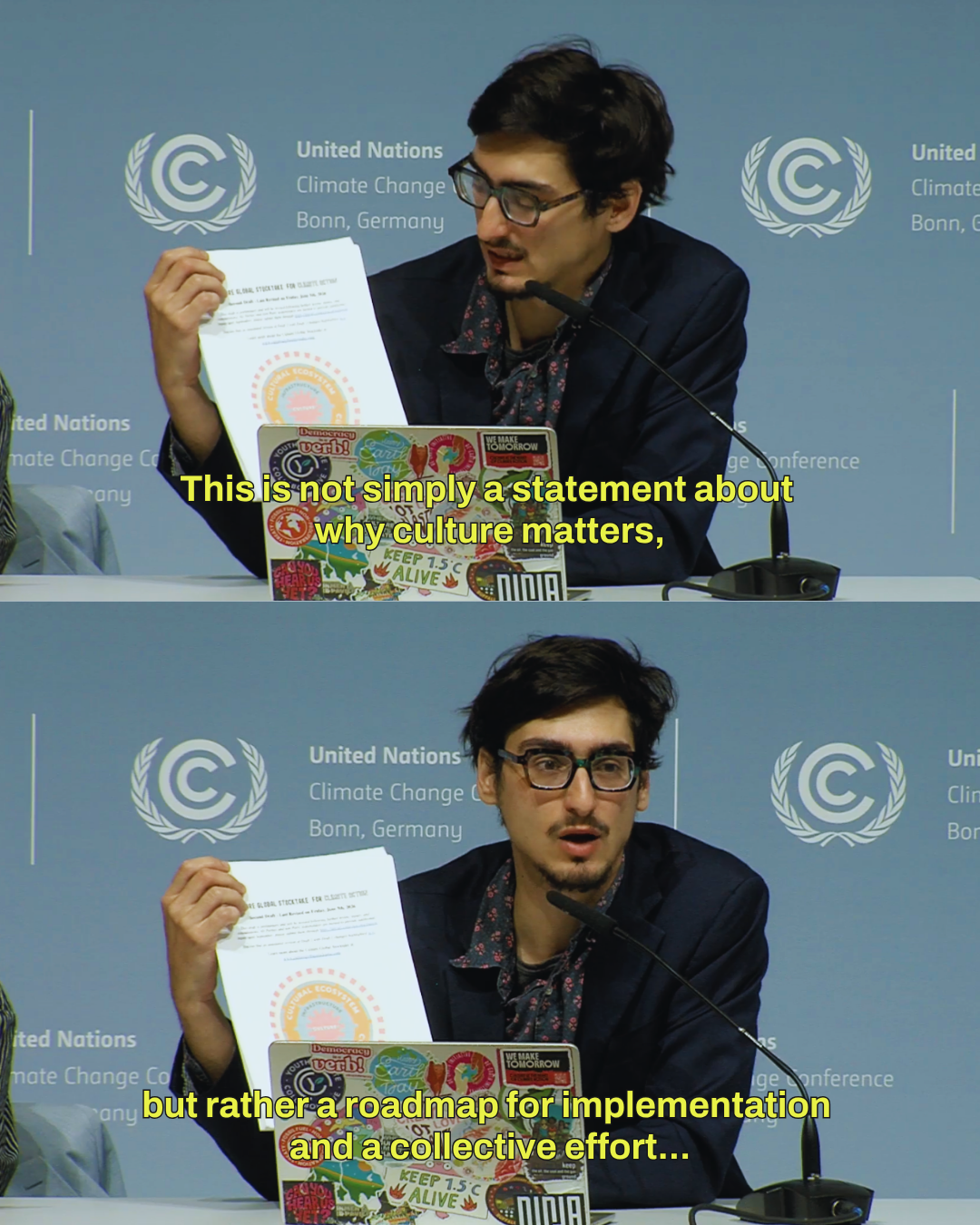
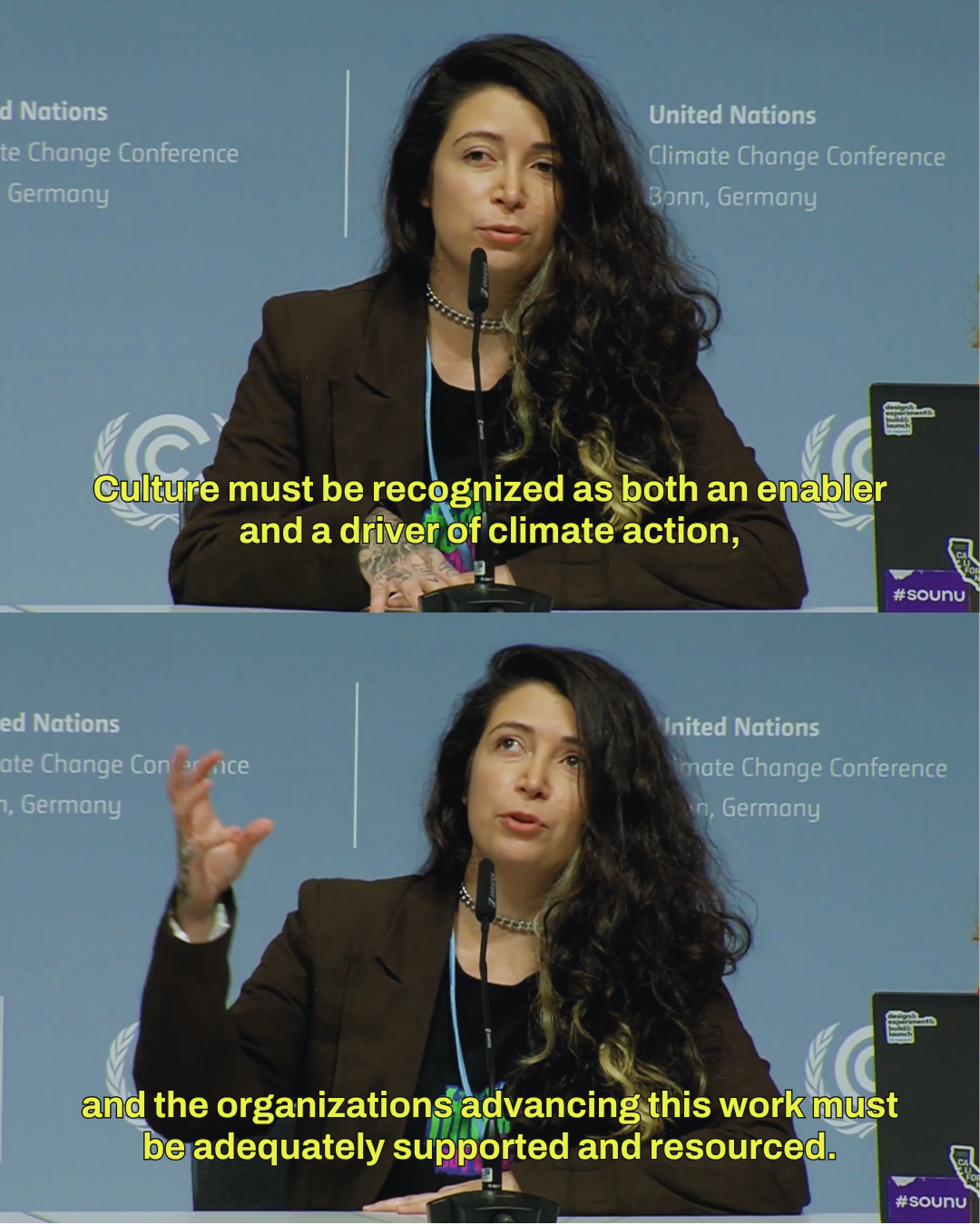
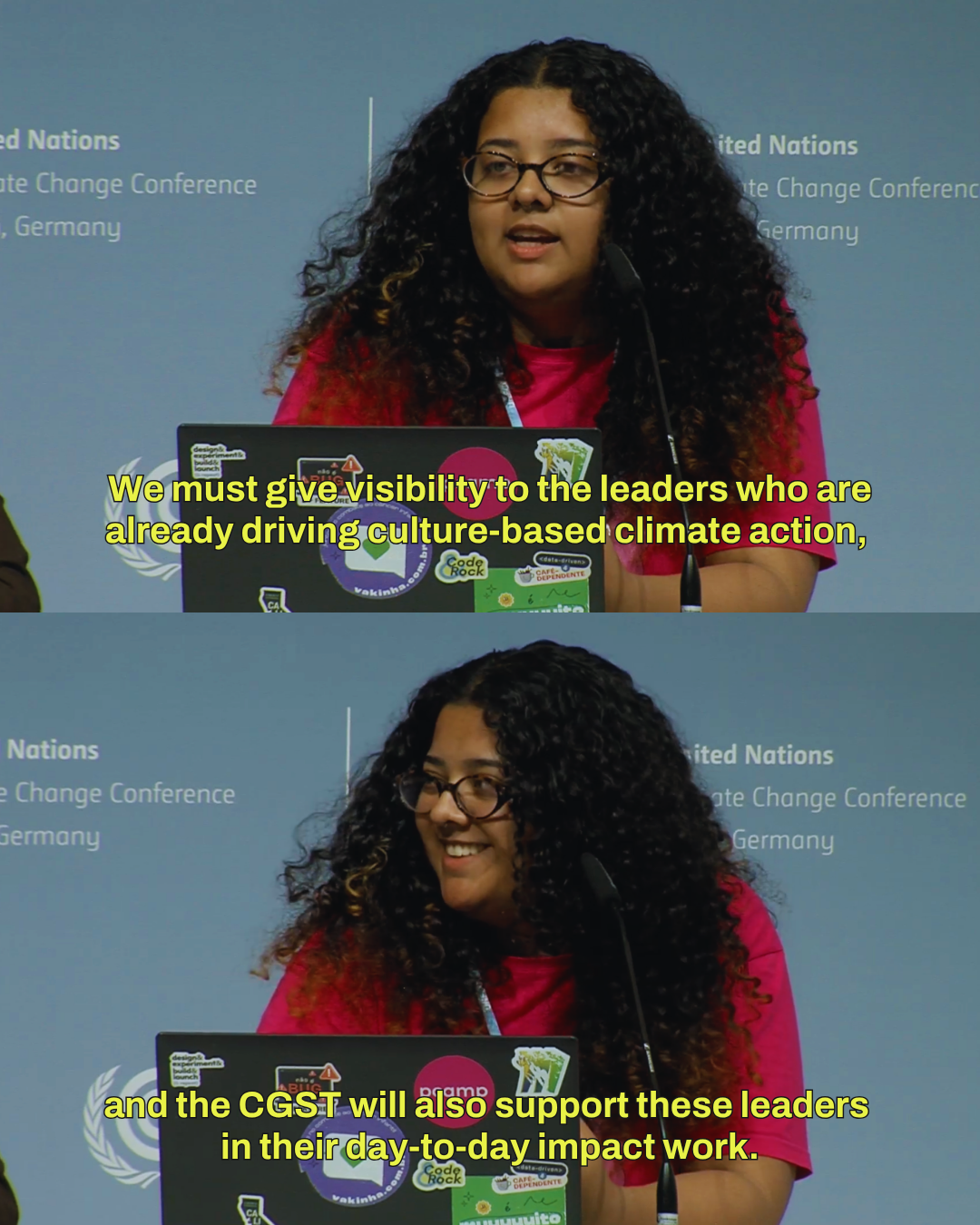
The Culture Global Stocktake for Climate Action (CGST) is a global, participatory process that brings together evidence, experiences and recommendations to advance culture-based climate action. The first outcome provides a shared framework for governments, Parties, cultural actors, communities, funders and other stakeholders to identify priorities and translate them into policy and practice.
Inspired by the structure of the Global Stocktake under the Paris Agreement, the document addresses mitigation, adaptation, finance, technology, capacity-building, loss and damage, response measures and international cooperation. It is intended to contribute evidence and recommendations to the second Global Stocktake (GST2), concluding in 2028, while supporting practical action through existing national, local and international channels.
-
Culture and policy shape one another. Cultural values, knowledge, practices and expressions influence what societies consider possible and which decisions they support or contest. Public policy, in turn, shapes whose heritage is protected, which cultural expressions and industries receive support, and how communities access shared spaces and participate in decisions affecting their futures.
This relationship is fundamental to climate action. Cultural understandings of responsibility, ethics, prosperity, well-being and nature shape climate ambition and implementation. Cultural and heritage practitioners, alongside wider civil society, help transform these understandings into collective action and visions for different futures.
Yet there remains a culture gap in climate policy. Cultural knowledge, practices and institutions already contribute to ecological stewardship, public engagement and climate resilience, but remain insufficiently reflected in climate planning, finance and decision-making. Closing this gap requires cultural actors and communities to help shape climate priorities, policies and implementation.
-
Between February and October 2026, contributions were gathered through written submissions, virtual and in-person consultations, community-led dialogues, workshops, policy convenings and engagement with cultural practitioners, climate advocates, government officials and institutions. Successive public drafts and plenary discussions provided opportunities to review, challenge and refine the text.
The process compiled more than 90 written inputs from individuals and collectives reporting locations or ties across 29 countries, spanning Africa, Asia, Europe, North America, South America and Oceania, and convened more than 25 virtual and in-person consultations. Key stages included the Marrakech Partnership Accelerator, engagement during the 64th sessions of the UNFCCC Subsidiary Bodies in Bonn, and a policy workshop hosted by Brazil’s Ministry of Culture during São Paulo Climate Week as part of its 3rd International Seminar for Culture and Climate. Research, case studies and existing policy frameworks informed the drafting alongside contributors’ experience and knowledge.
-
Governments and public authorities can use the recommendations to inform planning, coordination and investment. Party delegates are encouraged to consider the CGST outcomes within their respective negotiation tracks and draw on relevant recommendations to inform their positions and advocate for climate policy that integrates cultural dimensions. Cultural practitioners, institutions and communities can use the document to develop initiatives, articulate support needs and participate in climate decision-making. Funders can identify opportunities for sustained support, while researchers can help address evidence gaps and document results.
The CGST is intended to be used, adapted to different contexts and revisited. Readers are invited to identify relevant recommendations, develop implementation pathways with communities and partners, and contribute case studies and evidence of progress to future iterations.
-
You can review all written submissions by visiting the Methodology page.
All versions of the CGST drafts are available on the homepage where you can see how written submissions have been incorporated.
-
The Culture Global Stocktake is a decentralized process spearheaded by the Entertainment + Culture Pavilion with seed funding from the Youth Climate Justice Fund.
-
Do you want to partner with the CGST? Do you have funding or resources to contribute to the initiative?
Contact info@cultureglobalstocktake.org